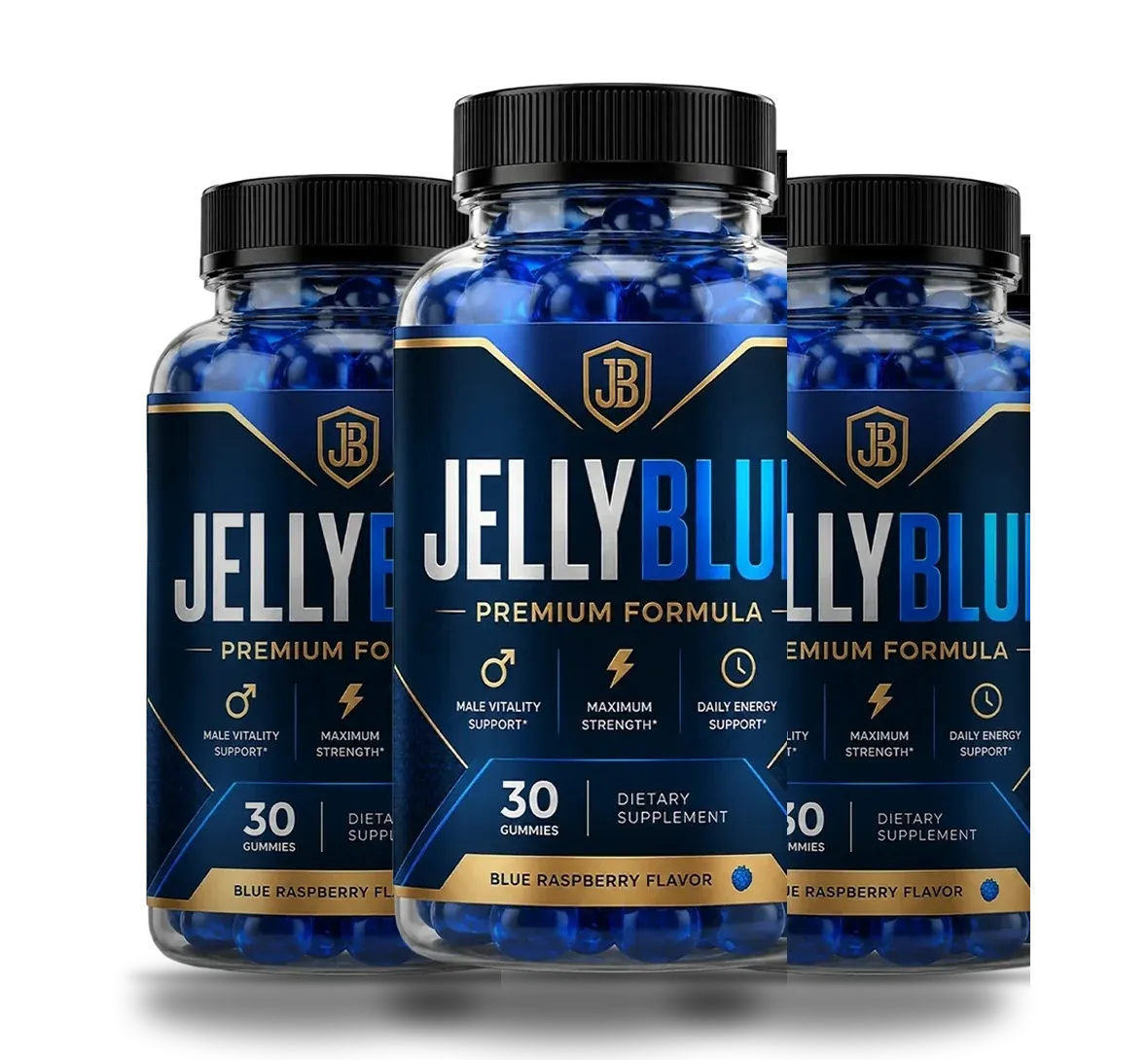
USA authorized Jellyblue retailerAuthorized retailerOne gummy daily - 30 gummies per bottleMoney-back guaranteeMoney-back guaranteeLot JEL-26/JE-7723

Official product information

Jellyblue Ingredients: The Seven Actives in Each Gummy

Written and checked by the Jellyblue Editorial Desk · Revised

Quick answer

Each Jellyblue gummy holds seven active ingredients, 650 mg in total, with no proprietary blend.

Tongkat ali leads at 200 mg, followed by maca, ashwagandha and horny goat weed at 100 mg each, then L-arginine, beet root and grape seed at 50 mg each.

See every line on the full Supplement Facts panel.

The Jellyblue ingredient list, from the label

The Supplement Facts panel lists seven active ingredients and prints an amount beside every one. There is no proprietary blend anywhere on it, and every botanical carries a correct Latin binomial. That combination is uncommon in this category, and it is what lets this page be specific instead of vague.

The seven come to 650 mg a gummy. Read them in order against the amounts research uses and the shape of the formula appears immediately: one ingredient is at a studied dose, one is close, and five are not.

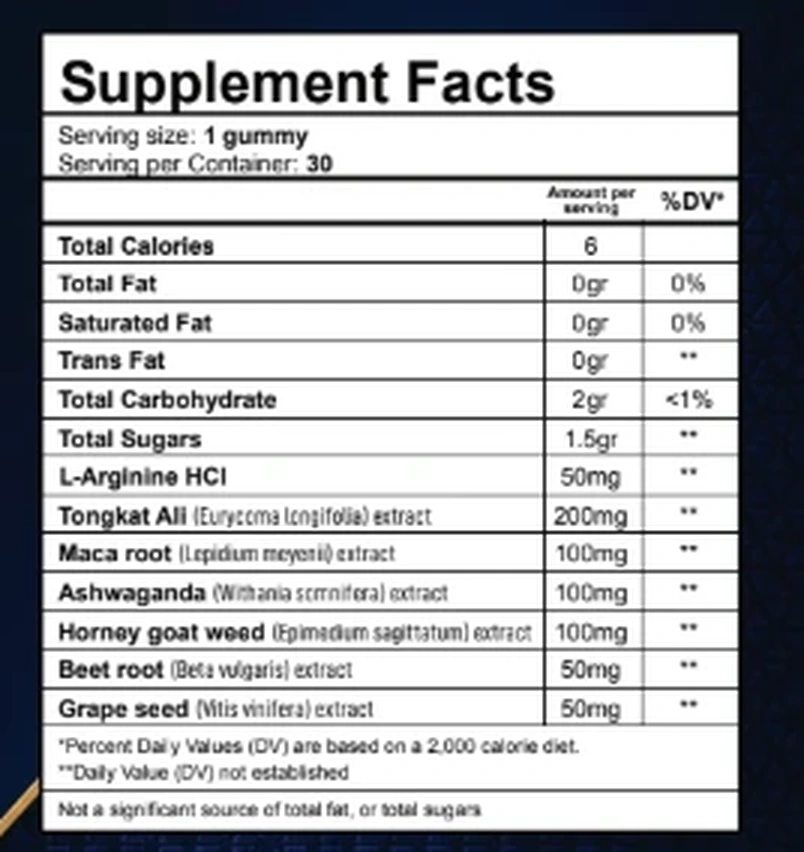
Jellyblue Supplement Facts panel on the back of the bottle
The back label: 1 gummy per serving, 30 servings, seven actives with amounts.
Straight from the panel, in label order.
OrderIngredientAs printedAmountResearch uses
1L-Arginine HClan amino acid salt50 mg3,000–6,000 mg a day in most trials
2Tongkat AliEurycoma longifolia, extract200 mg200–400 mg a day of a standardised extract in most trials
3Maca rootLepidium meyenii, extract100 mg1,500–3,000 mg a day in most trials
4AshwagandhaWithania somnifera, extract — printed as “Ashwaganda”100 mg300–600 mg a day of root extract in most trials
5Horny goat weedEpimedium sagittatum, extract — printed as “Horney goat weed”100 mgHundreds of milligrams in the little research there is
6Beet rootBeta vulgaris, extract — not named in the seller’s marketing50 mgStudies use juice or concentrate giving about 400 mg of nitrate, which is grams of material
7Grape seedVitis vinifera, extract50 mg100–300 mg a day, standardised for proanthocyanidins
650 mg of active ingredients, per gummyDrawn to scale from the panel. Every width below is a published number, not an estimate — which is the thing this label gets right.
0 mgWidths are proportional to the printed amounts650 mg
7active ingredients, all with amounts
200 mgtongkat ali — the one real dose
0proprietary blends on this panel

Each Jellyblue ingredient, one by one

What it is, what research says, and what this amount can realistically be.

Amino acid · 50 mg

L-Arginine HCl

an amino acid salt
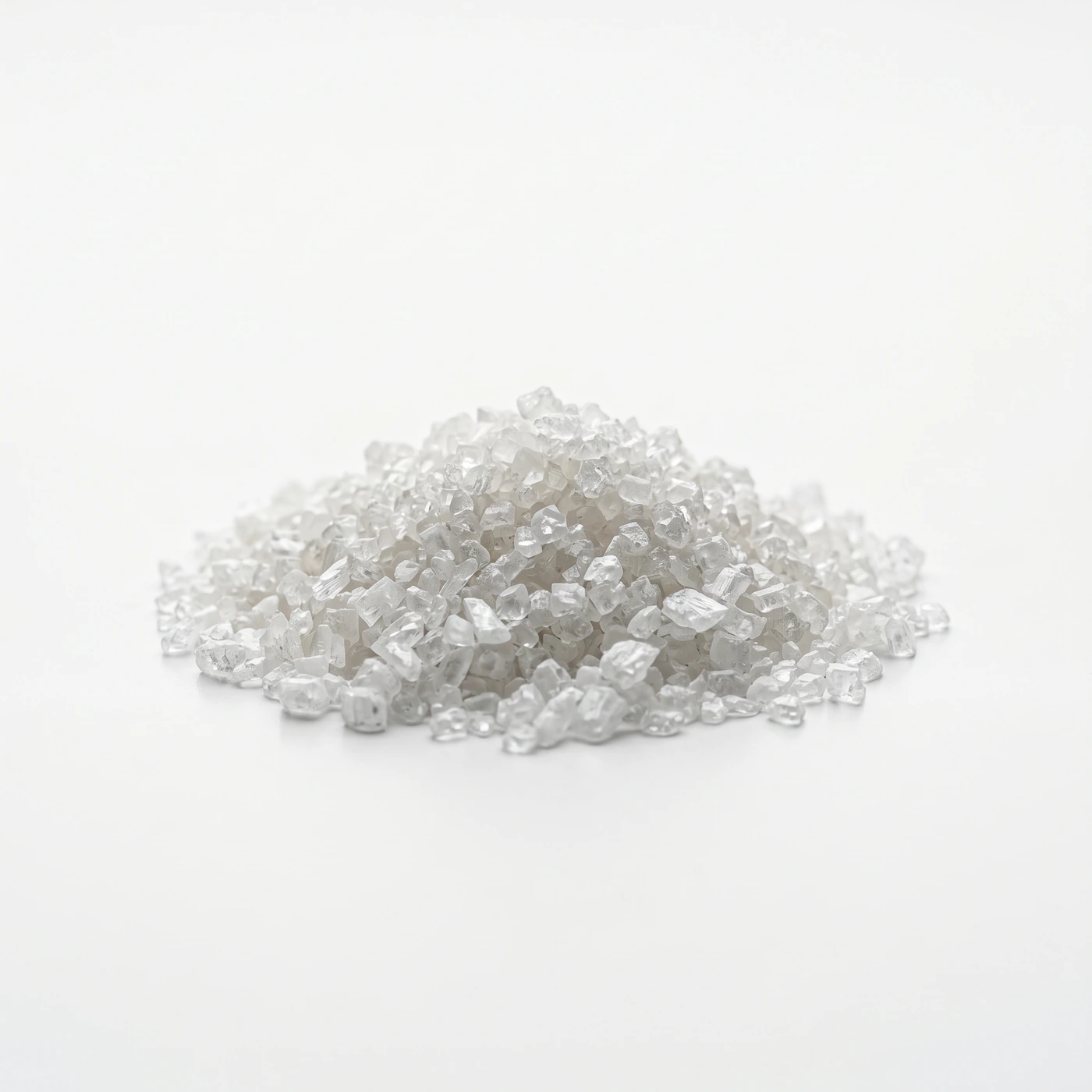
L-Arginine HCl, one of the seller’s ingredient photographs

The seller publishes a photograph for this ingredient.

  • An amino acid the body converts to nitric oxide, which widens blood vessels. This is the plausible mechanism the whole category gestures at.
  • It is dose-dependent, and the doses are large: trials use 3,000 to 6,000 mg a day, which is three to six grams.
  • This label has 50 mg. As a hydrochloride salt, that is roughly 40 mg of arginine itself.
  • It is listed first on the panel, which on an itemised label means nothing about rank — the order here is not by weight.
  • Nothing about 50 mg of arginine is harmful. Nothing about it is a dose, either.

Watch for: Lowers blood pressure at gram doses, which matters if you take nitrates. Not a concern at this weight. Source: Memorial Sloan Kettering Cancer Center, “Arginine (About Herbs)”.
Herb · root extract · 200 mg

Tongkat Ali

Eurycoma longifolia, extract

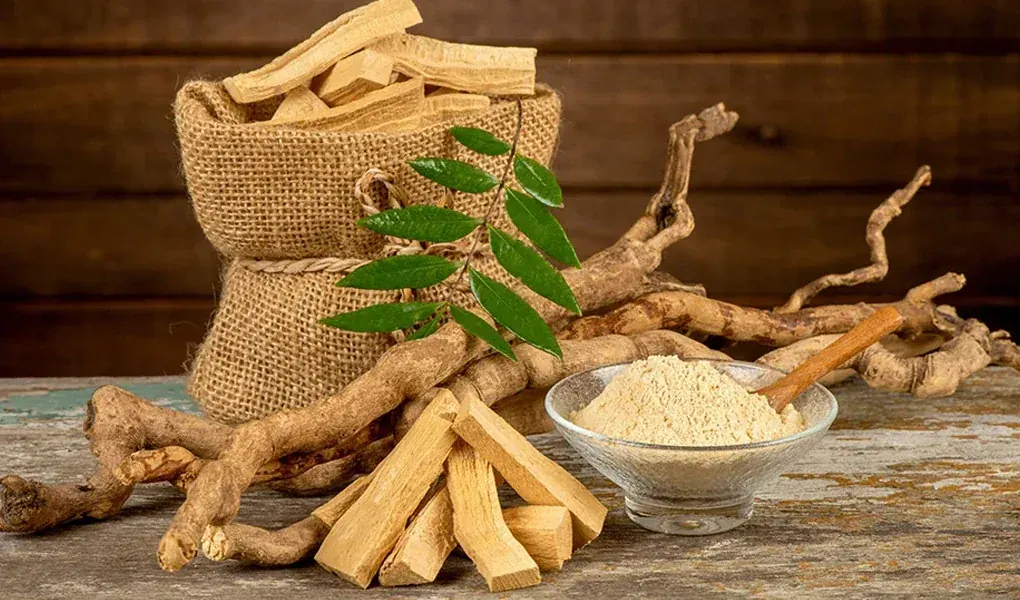
Tongkat Ali, one of the seller’s ingredient photographs

The seller publishes a photograph for this ingredient.

  • Eurycoma longifolia, a Southeast Asian shrub whose root has been studied more than anything else on this label.
  • Trials on stress hormones, testosterone markers and wellbeing generally use 200 to 400 mg a day of a standardised water extract, over four to twelve weeks.
  • At 200 mg, this product sits at the bottom of that range rather than below it. It is the one amount here a researcher would recognise.
  • What the label leaves out is a specification: no standardisation, no extract ratio and no plant part. Tongkat ali products vary enormously, and “200 mg of extract” without a specification is a weaker statement than it looks.
  • The trials themselves are small, short, and concentrated in one region, so this is the best evidence on the label rather than strong evidence.

Watch for: Generally well tolerated in trials. MSK advises avoiding it with hormone-sensitive conditions and notes that product quality varies widely. Source: Memorial Sloan Kettering Cancer Center, “Tongkat Ali / Eurycoma longifolia (About Herbs)”.

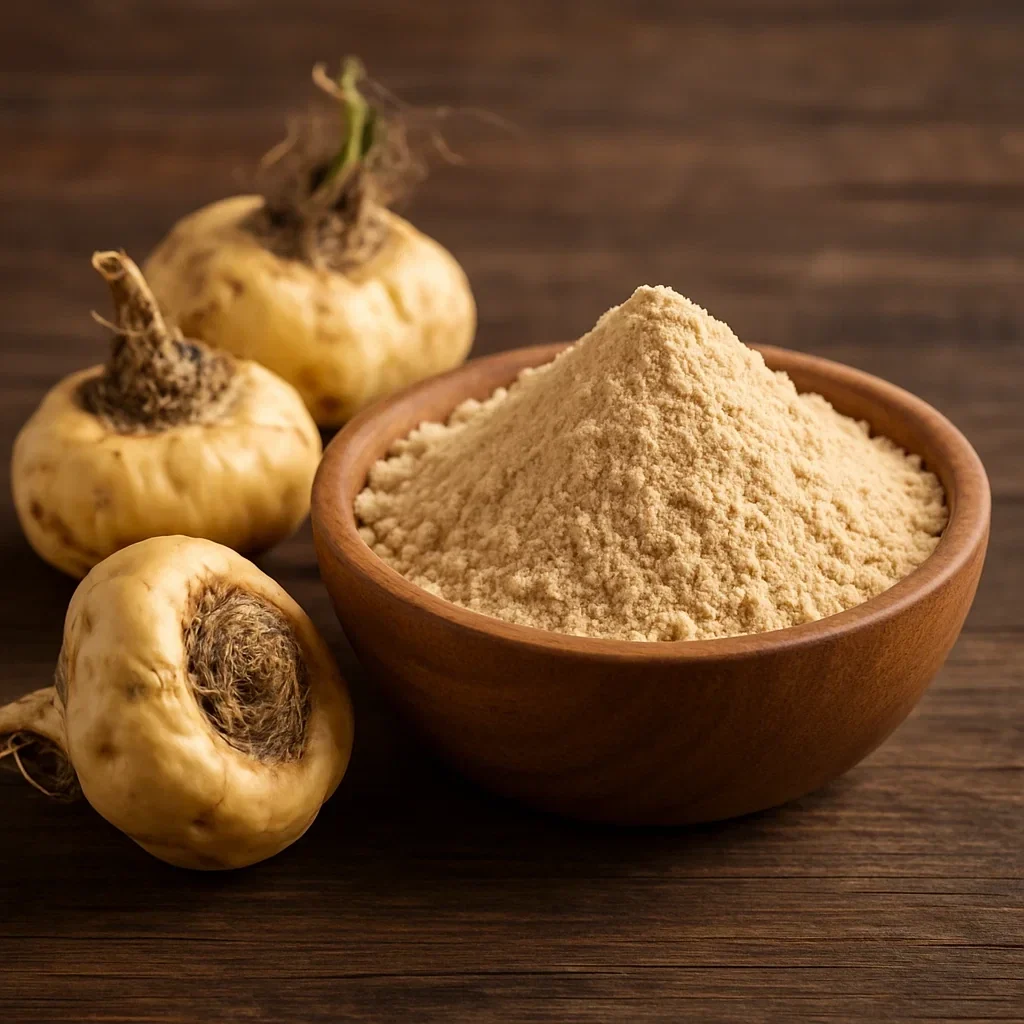
Herb · root extract · 100 mg

Maca root

Lepidium meyenii, extract

Maca root, one of the seller’s ingredient photographs

The seller publishes a photograph for this ingredient.

  • Lepidium meyenii, a Peruvian root vegetable eaten as a food and sold as a libido supplement.
  • Trials generally use 1,500 to 3,000 mg a day, and in Peru it is eaten in gram quantities.
  • This label has 100 mg, which is a fifteenth to a thirtieth of a studied amount.
  • NCCIH’s summary is that there is not enough evidence to know whether maca helps any health condition.
  • It is one of the friendlier ingredients in this category: it is a food, and it is well tolerated.

Watch for: Generally well tolerated as a food at far higher amounts. Source: National Center for Complementary and Integrative Health, “Maca”.

Herb · root extract · 100 mg

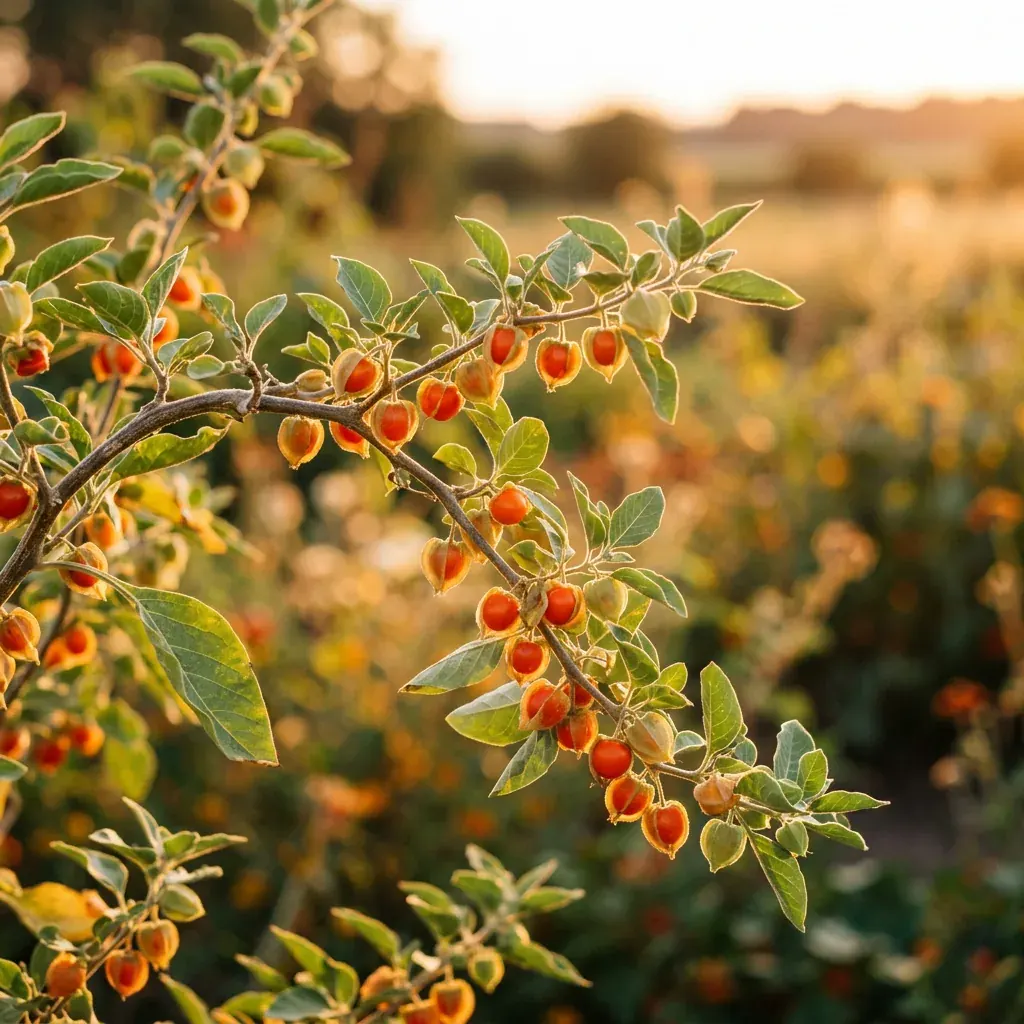
Ashwagandha

Withania somnifera, extract — printed as “Ashwaganda”

Ashwagandha, one of the seller’s ingredient photographs

The seller publishes a photograph for this ingredient.

  • Withania somnifera, an adaptogen with the best-developed evidence base of anything on this label after tongkat ali.
  • Trials on stress, sleep and exercise performance generally use 300 to 600 mg a day of root extract.
  • This label has 100 mg — a third to a sixth of a studied dose. Closer than most of this category manages, and still short.
  • No standardisation for withanolides is printed, which is the number that separates one ashwagandha extract from another.
  • The panel misspells it as “Ashwaganda”. The seller’s marketing graphic spells it correctly.

Watch for: Can interact with thyroid, sedative and immunosuppressant medicines at studied doses. Liver injury has been reported rarely. Source: National Center for Complementary and Integrative Health, “Ashwagandha”.

Herb · leaf extract · 100 mg

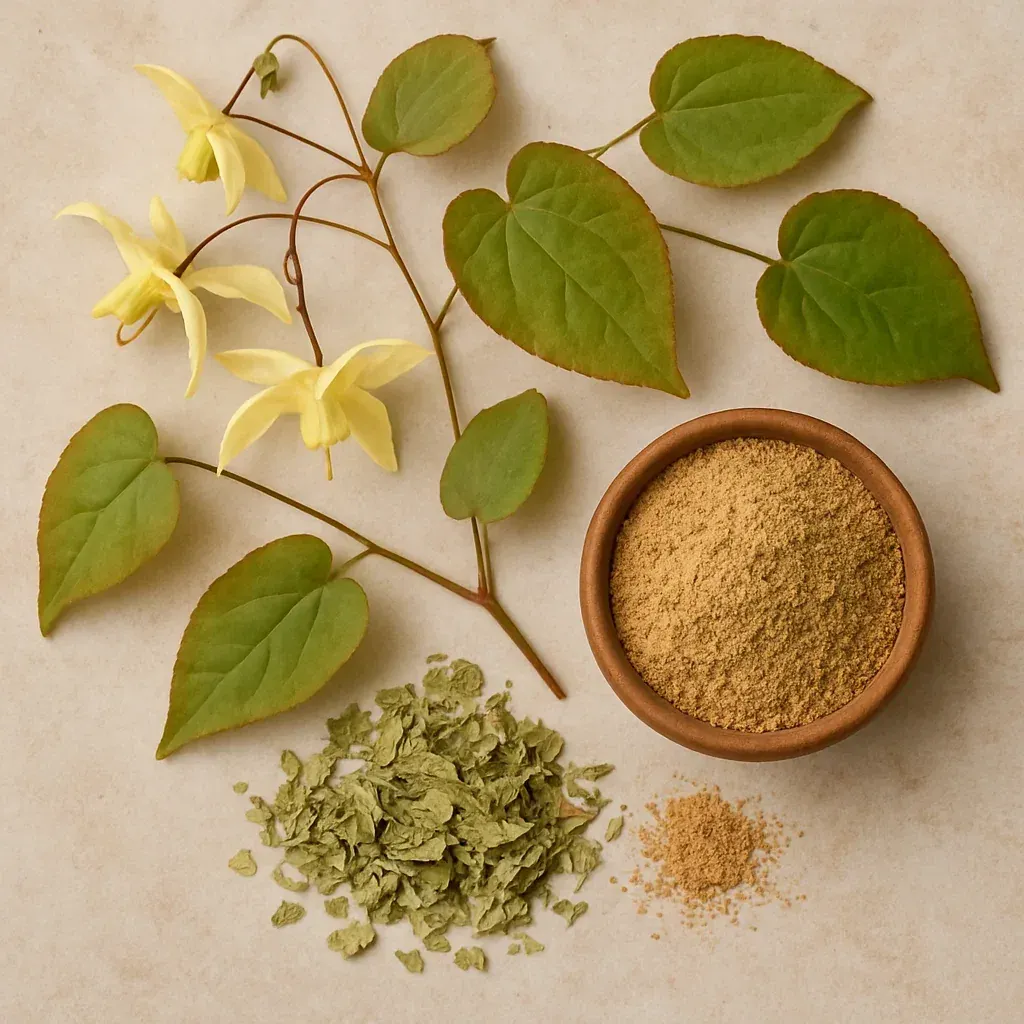
Horny goat weed

Epimedium sagittatum, extract — printed as “Horney goat weed”

Horny goat weed, one of the seller’s ingredient photographs

The seller publishes a photograph for this ingredient.

  • Epimedium sagittatum, one of several Epimedium species used in traditional Chinese medicine. Its best-known compound is icariin.
  • This label names the species, which is more than most manage — icariin content varies several-fold across the genus.
  • The little research there is uses hundreds of milligrams a day, and no standardisation for icariin is printed here.
  • At 100 mg with no standardisation, the honest reading is that the name is doing more work than the amount.
  • The panel prints it as “Horney goat weed”. The marketing graphic gets it right.

Watch for: MSK lists dizziness, dry mouth and rapid heartbeat at real doses and advises caution with heart disease. Source: Memorial Sloan Kettering Cancer Center, “Epimedium / Horny Goat Weed (About Herbs)”.

Vegetable · extract · 50 mg

Beet root

Beta vulgaris, extract — not named in the seller’s marketing

  • Beta vulgaris. Beetroot is a dietary nitrate source, and nitrate genuinely does widen blood vessels — the one mechanism in this category with solid physiology behind it.
  • The research uses juice or concentrate delivering roughly 400 mg of nitrate, which means grams of material and typically 70 to 140 ml of juice.
  • This label has 50 mg of extract, with no nitrate content stated.
  • It is the only active ingredient on the panel that appears in none of the seller’s marketing graphics.
  • A useful ingredient, in an amount that cannot deliver what makes it useful.

Watch for: Nitrate lowers blood pressure at real doses. Harmless red urine is common at those amounts, and irrelevant here. Source: NIH Office of Dietary Supplements, “Dietary Supplements for Exercise and Athletic Performance”.

Fruit · extract · 50 mg

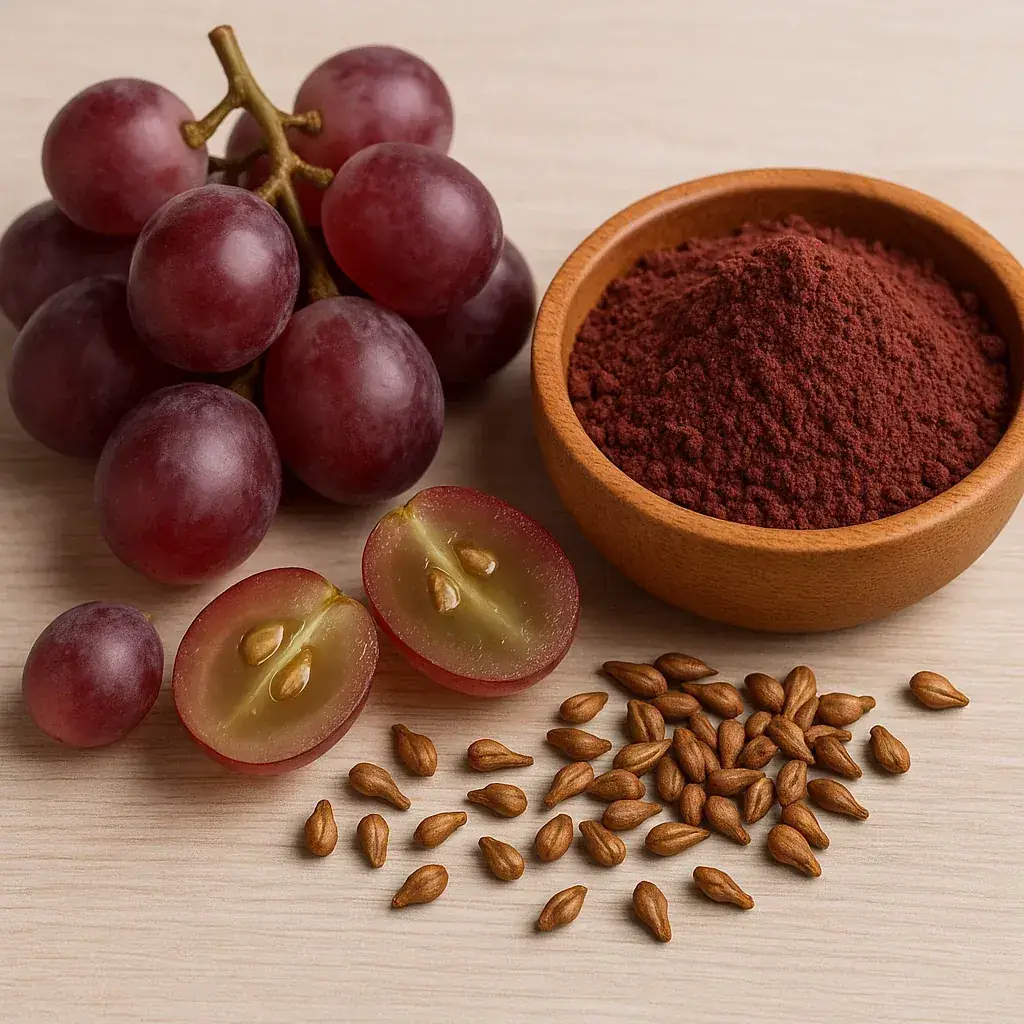
Grape seed

Vitis vinifera, extract

Grape seed, one of the seller’s ingredient photographs

The seller publishes a photograph for this ingredient.

  • Vitis vinifera seed extract, studied mainly for blood pressure and vascular function.
  • Trials use 100 to 300 mg a day, standardised for proanthocyanidins.
  • This label has 50 mg, unstandardised — between a half and a sixth of a studied dose, from material of unknown strength.
  • Of the shortfalls on this panel, this is the narrowest: 50 mg is the same order of magnitude as 100 mg.
  • It sits last on the panel, alongside beet root, in the group that reads as supporting cast.

Watch for: May interact with blood thinners at studied doses. Not a practical concern at 50 mg. Source: Memorial Sloan Kettering Cancer Center, “Grape Seed (About Herbs)”.

The one that lands, and the six that do not

Because the amounts are printed, the comparison below is arithmetic rather than opinion.

Tongkat ali on this label200 mg
The range trials of a standardised water extract usually use200–400 mg

This is the first amount on any of these labels that lands inside a studied range rather than below it. It sits at the bottom of that range, and the label does not say whether the extract is standardised — but 200 mg is a number a researcher would recognise.

  • L-Arginine HCl3,000–6,000 mg a day in most trials50 mgA fraction of any studied amount
  • Tongkat Ali200–400 mg a day of a standardised extract in most trials200 mgInside the range research uses
  • Maca root1,500–3,000 mg a day in most trials100 mgA fraction of any studied amount
  • Ashwagandha300–600 mg a day of root extract in most trials100 mgBelow the studied range, but the same order of magnitude
  • Horny goat weedHundreds of milligrams in the little research there is100 mgBelow the studied range, but the same order of magnitude
  • Beet rootStudies use juice or concentrate giving about 400 mg of nitrate, which is grams of material50 mgA fraction of any studied amount
  • Grape seed100–300 mg a day, standardised for proanthocyanidins50 mgBelow the studied range, but the same order of magnitude

Trial ranges are the ones usually quoted for these ingredients. They are not studies of Jellyblue; no study of this product exists.

  • L-Arginine HCl50 mg · an amino acid saltStudied for blood flow at 3–6 g a day; this is 50 mg
  • Tongkat Ali200 mg · Eurycoma longifolia, extractThe best-evidenced name here, and the only one at a studied amount
  • Maca root100 mg · Lepidium meyenii, extractSome small trials on libido — at 1.5–3 g a day
  • Ashwagandha100 mg · Withania somnifera, extract — printed as “Ashwaganda”Good evidence at 300–600 mg; this is 100 mg
  • Horny goat weed100 mg · Epimedium sagittatum, extract — printed as “Horney goat weed”Limited human evidence, and no standardisation given
  • Beet root50 mg · Beta vulgaris, extract — not named in the seller’s marketingReal research on nitrates — using grams of juice or concentrate
  • Grape seed50 mg · Vitis vinifera, extractStudied at 100–300 mg, standardised; this is 50 mg and unstandardised

Seven on the panel, six in the picture

The seller’s “Inside Jellyblue” graphic names and photographs six ingredients. The panel lists seven.

On the panel

Seven actives

  1. L-Arginine HCl
  2. Tongkat Ali
  3. Maca root
  4. Ashwagandha
  5. Horny goat weed
  6. Beet root
  7. Grape seed

In “Inside Jellyblue”

Six named

  1. L-Arginine HCl
  2. Tongkat Ali
  3. Maca root
  4. Ashwagandha
  5. Horny goat weed
  6. Beet root
  7. Grape seed

Beet root extract, 50 mg, is on the label and in none of the marketing. It is the mildest kind of mismatch — an ingredient present rather than absent, and not a stimulant or an allergen. It is still the same pattern: the artwork and the panel were prepared by different people, and only one of them is a regulated document.

Other ingredients and the gummy base

This label prints its other-ingredients line in full: cane sugar, glucose syrup, water, pectin, citric acid, sodium citrate, natural flavor, natural coloring, starch.

That line answers the question people most often ask about a gummy. The gelling agent is pectin, which comes from fruit, not gelatin, which comes from animal collagen. So the vegetarian badge on this product is checkable and true.

It also explains the nutrition block: cane sugar and glucose syrup are the first two entries, which is where the 1.5 g of sugars comes from — and why the missing added-sugars line is worth noticing.

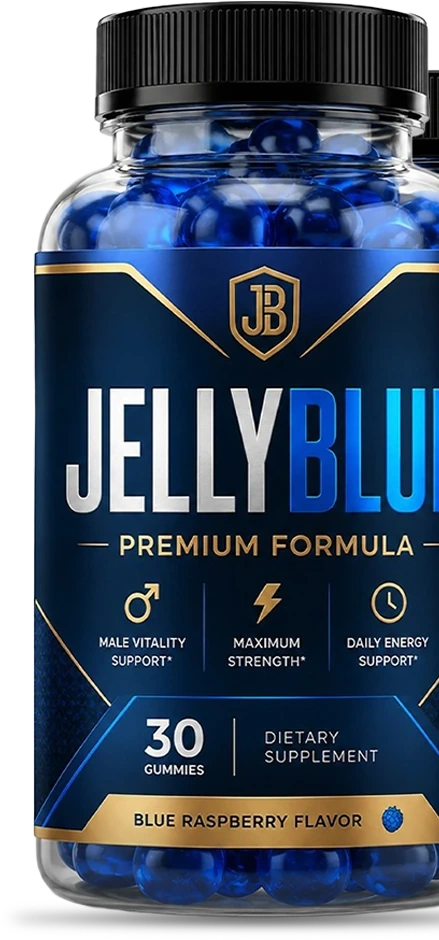
One bottle of Jellyblue gummies

Want to read the label in person? Start with one bottle of Jellyblue.

Check today’s price

It is easy to write a page like this as a list of shortfalls, so here is the other column first.

Every active ingredient on this panel carries its own amount. Every botanical carries a correct Latin binomial — Eurycoma longifolia, Lepidium meyenii, Withania somnifera, Epimedium sagittatum, Beta vulgaris, Vitis vinifera — which is how a buyer, a regulator or a laboratory knows which plant is in the bottle. The other-ingredients line is printed in full, and the gelling agent is named. There is no proprietary blend.

That combination is uncommon enough in this category to be worth a paragraph of its own. What follows is a reading of the numbers, not a complaint about what was hidden, because nothing here is hidden.

Printed and correct

  • Seven amounts, seven ingredients
  • Six correct Latin binomials
  • Full other-ingredients line
  • Gelling agent named: pectin
  • No proprietary blend
  • Serving size and servings per container

Printed wrong, or not printed

  • “Ashwaganda” and “Horney goat weed”
  • “gr” where grams are meant
  • “Serving per Container” and “Total Calories”
  • No added-sugars line
  • No standardisation for any extract
  • No plant part for the tongkat ali

Jellyblue ingredients: questions

More answers on the full FAQ page.

What is in Jellyblue?

Seven active ingredients with published amounts, totalling 650 mg: tongkat ali 200 mg, maca root 100 mg, ashwagandha 100 mg, horny goat weed 100 mg, L-arginine HCl 50 mg, beet root 50 mg and grape seed 50 mg. Plus 6 calories, 2 g of carbohydrate and 1.5 g of sugars.

Is there a proprietary blend?

No. Every active ingredient carries its own amount. That is genuinely uncommon in this category and it is the best thing about this label.

Which amounts are real doses?

One. Tongkat ali at 200 mg sits inside the 200–400 mg range trials of a standardised extract usually use. The other six are below their studied ranges — ashwagandha and grape seed by a factor of three to six, maca and L-arginine by far more.

How much ashwagandha is in it?

100 mg. Trials on stress, sleep and exercise generally use 300 to 600 mg a day of root extract, so this is a third to a sixth of a studied dose. No standardisation for withanolides is printed.

Why is beet root not in the marketing pictures?

We do not know. Beet root is printed on the panel at 50 mg, and the seller’s “Inside Jellyblue” graphic names six ingredients without it. The label is the document that counts.

Three bottles of Jellyblue gummies

Ready to try Jellyblue?

Pick a pack and see the price at checkout. The money-back guarantee is 60 days from purchase, unless the sales page prints a longer window. Questions first? Contact the order desk.

Sold through a USA Authorized Jellyblue Retailer. This site is not the manufacturer and earns when you buy.

Jellyblue · one gummy a day30 gummies a bottle

Add To Cart